Art of Tufting
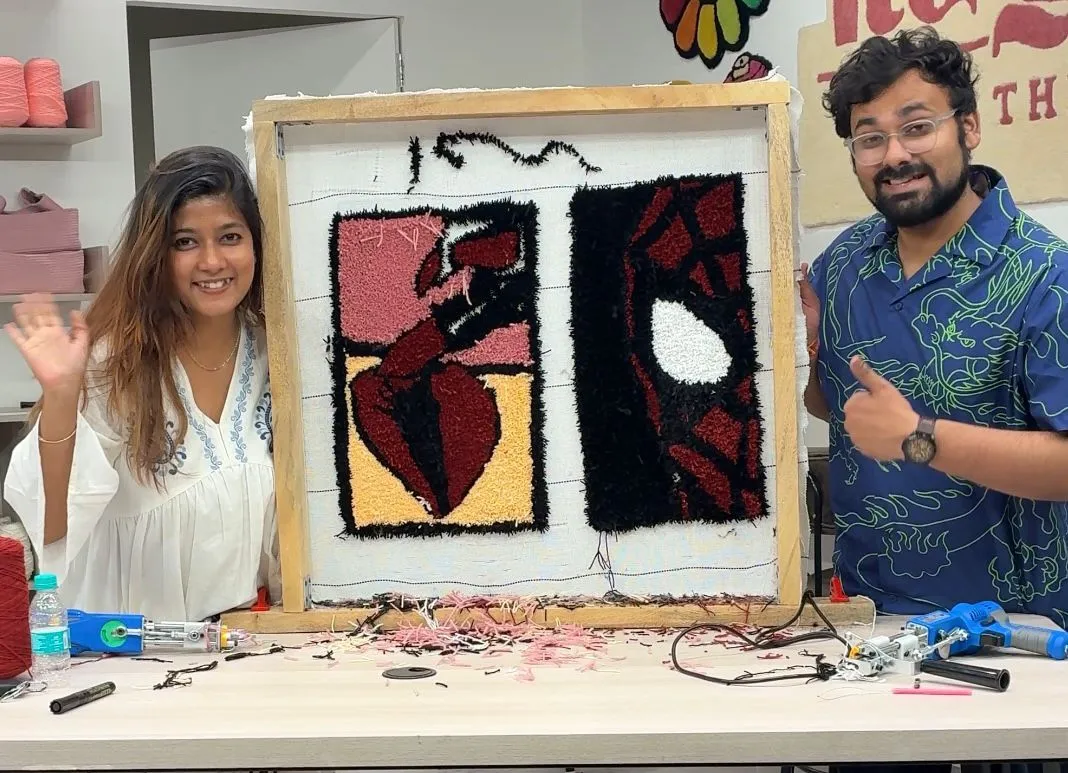
✨ From Rugs to Robots: Why Tufting Deserves a Place in STEAM Education
In an age where science and technology dominate the innovation narrative, there’s a quiet, creative revolution unraveling—tufting.
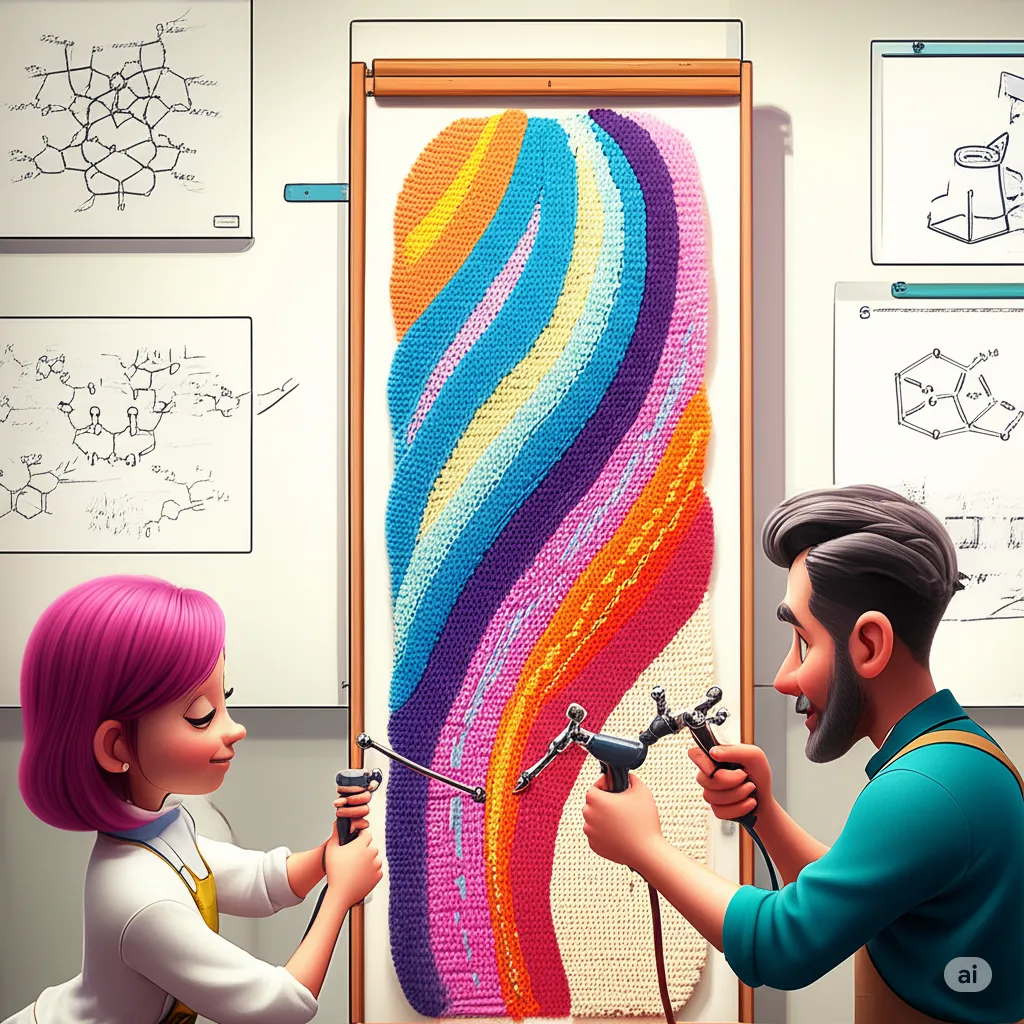
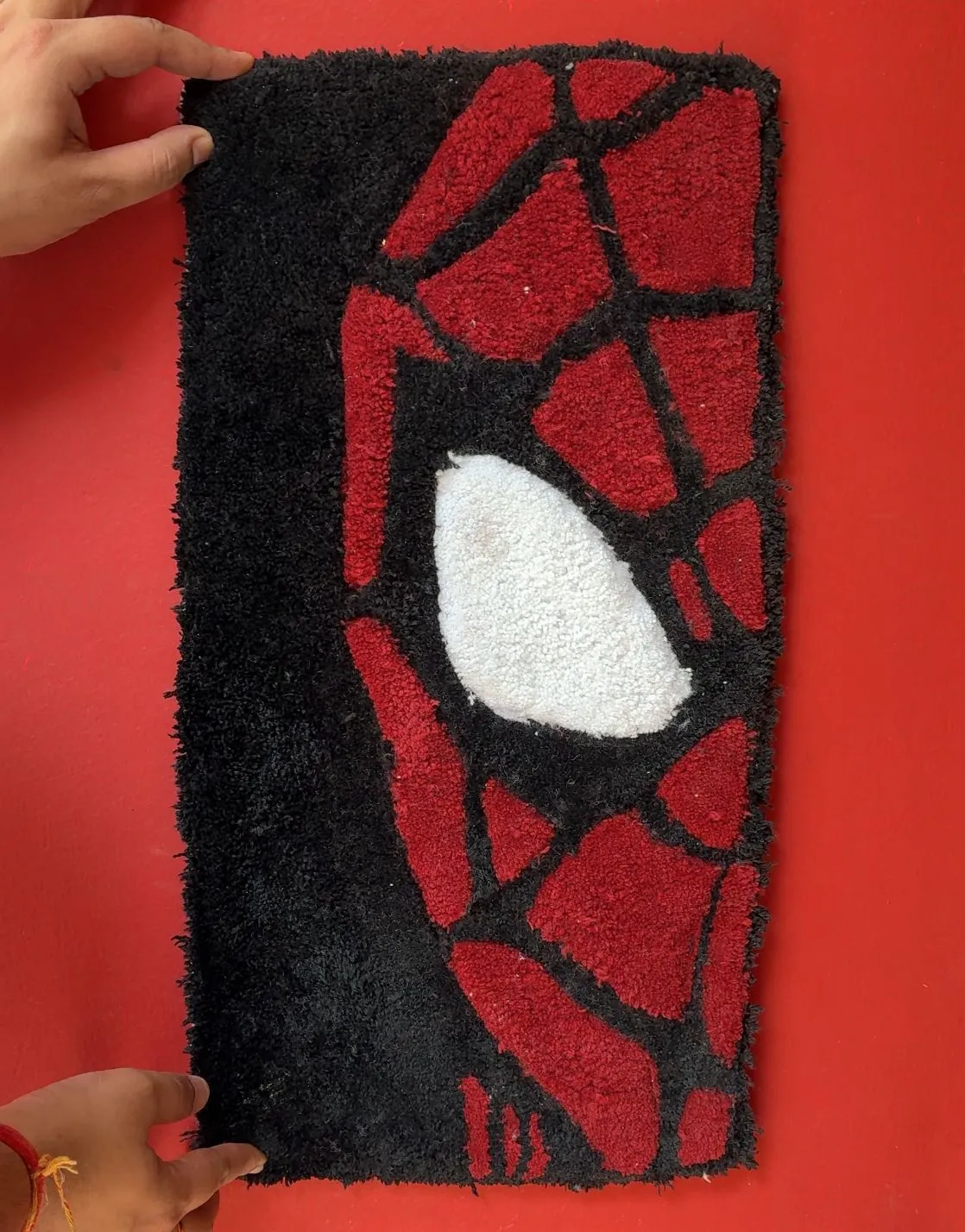
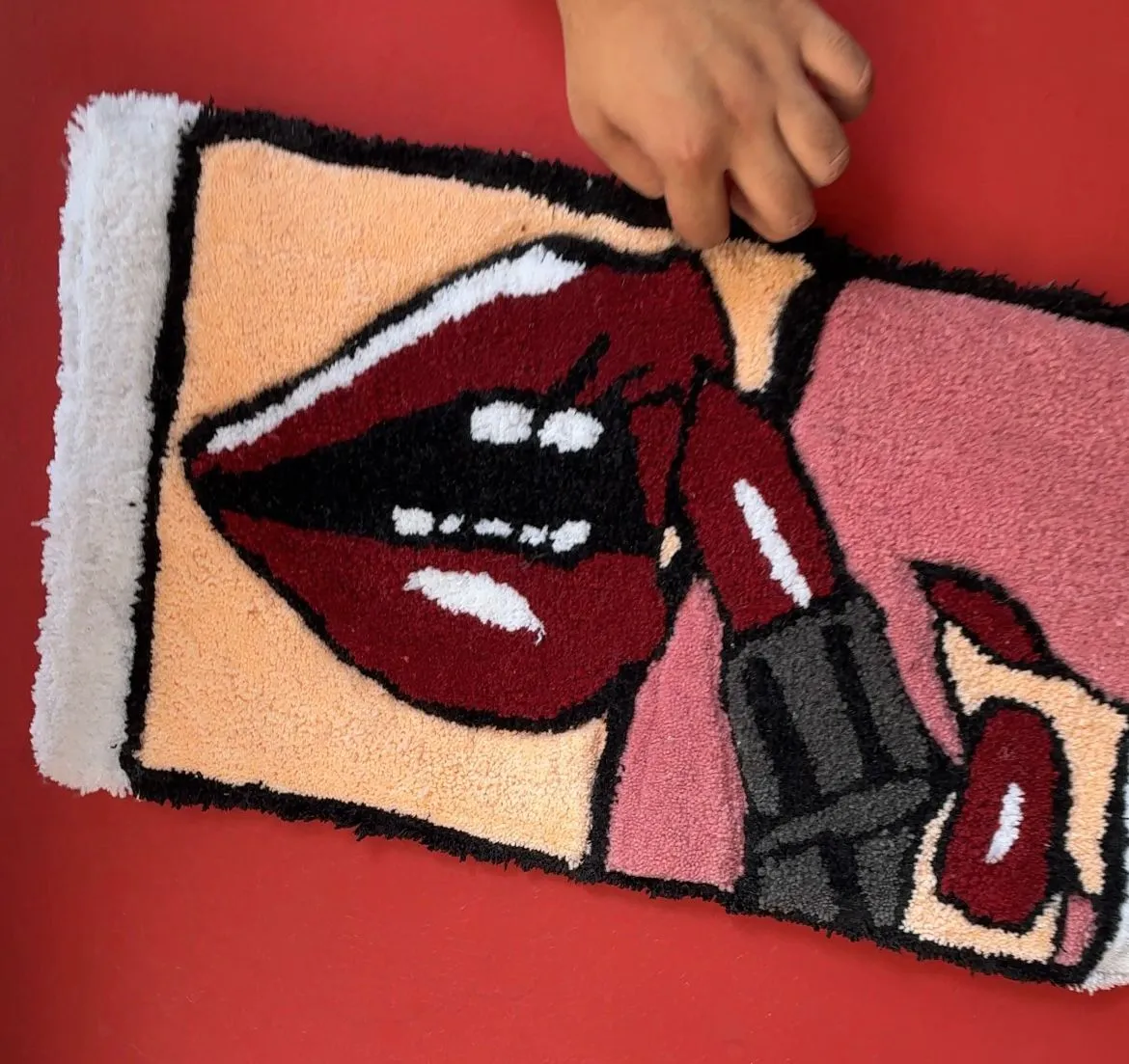
Tufting, the process of punching yarn through fabric to create patterns, textures, and three-dimensional art, may look like a niche craft. But when viewed through the lens of STEAM (Science, Technology, Engineering, Arts, and Mathematics), it becomes a multidisciplinary platform for learning, expression, entrepreneurship, and even sustainability.
Let’s explore how this ancient art is weaving its way into the fabric of modern education, the creative economy, and the future of jobs.
🕰️ A Brief History of Tufting
Tufting traces its roots back to ancient China and Egypt, where early forms of looped and cut-pile weaving were used for decorative and functional textiles. However, the modern method of tufting originated in Dalton, Georgia, USA in the early 20th century, when Catherine Evans Whitener revived hand-tufting to create bedspreads.
Dalton later became known as the “Carpet Capital of the World,” pioneering industrial tufting techniques that transformed the rug and carpet industry globally.
Today, tufting has moved beyond mass production and re-emerged as a creative, expressive art form, thanks in part to the rise of social media, craft entrepreneurship, and the maker movement.
🌎 Where Tufting Thrives Today
Tufting is now practiced both industrially and independently in:
United States – Mass production and home studios
China – Large-scale production and exports
Turkey – Known for machine-made rugs
India – A leading exporter of handmade and machine-made carpets, especially in Uttar Pradesh, Rajasthan, Kashmir, and Bhadohi
Iran – Known for Persian carpet traditions, with some integration of tufting techniques
India in particular blends traditional carpet weaving with emerging tufting practices, offering immense potential for job creation in both rural clusters and urban maker spaces.
🧪 S – Science: Understanding Materials and Structures
At the core of tufting is material science—knowing how different yarns behave, how tension affects structure, and how adhesives interact with textiles. It connects to:
Textile chemistry
Fiber biology
Environmental impact of dyes and materials
This encourages learners to explore science through real-world, tangible applications.
💻 T – Technology: From Manual Tools to CNC-Driven Tufting Machines
Modern tufting now includes:
Tufting guns with variable speed control
Computer Numerical Control (CNC) tufting machines
AR/VR previews for custom rug layouts
Design software like Procreate or Adobe Illustrator for rug patterning
Technology makes tufting more precise, customizable, and scalable—perfect for the digital generation.
🛠️ E – Engineering: The Mechanics of Motion and Form
Tufting integrates:
Mechanical principles (tension, motion, rotation)
Tool design
Workspace ergonomics
Designing and optimizing tufting equipment teaches mechanical and product engineering skills while enabling innovation in artisan tools.
🎨 A – Arts: The Heart of Tufting
Tufting is expressive, bold, and tactile. Artists use it to:
Explore visual storytelling
Reclaim cultural symbols
Experiment with form, color, and texture
From abstract murals to pop culture rugs, it offers a low-barrier entry point to visual arts—especially for kinetic or neurodivergent learners.
📐 M – Mathematics: Patterns, Geometry, and Efficiency
Tufting is rich with math:
Symmetry and tessellation
Grid layout and scaling
Calculating yarn lengths and loop densities
Pricing models for product design
It introduces math in motion, helping students see numbers in action through color and shape.
💼 The Market for Tufting Rugs: Jobs and Opportunities in the STEAM Era
The global tufted carpet and rug market is estimated at over USD 90 billion, with India being one of the top producers and exporters.
🔧 Emerging Opportunities:
Independent rug studios and home-based businesses
Boutique custom rug brands on Etsy, Instagram, and Shopify
Collaborations with interior designers and architects
Job roles in digital design, CNC machine operation, and product development
As more young people learn tufting via social media and online workshops, it opens doors for STEAM-based entrepreneurship, especially among:
Creatives
Craft educators
Engineering students
Textile designers
🎯 STEAM + Tufting = Creative Employment
By fusing design, automation, and storytelling, tufting encourages new career paths such as:
Textile Tech Developer
Rug Interface Designer
Eco-material Innovator
AR-based Rug Visualizer
🎓 Why Tufting Belongs in STEAM Labs
Tufting is a perfect STEAM project because it:
Teaches tool use and craftsmanship
Requires both logic and creativity
Involves data, measurement, and material science
Promotes mental wellness through tactile activity
Results in a real product students can showcase
🌱 Final Thoughts: From Craft to Catalyst
Tufting isn't just an Instagram trend—it’s a platform for education, creativity, and livelihood. In the STEAM era, it represents the kind of hands-on, human-centered innovation that we should be celebrating and scaling.
Let’s put the art back in science, the design back in data, and the humanity back in handmade.
📚 References
Statista – Global Carpet and Rug Market Overviewhttps://www.statista.com/statistics/1031471/global-market-value-of-carpets-and-rugs/
India Brand Equity Foundation (IBEF) – Indian Carpet Industry Profilehttps://www.ibef.org/exports/carpet-industry-india.aspx
Rug News and Design – Tufting Technology & Trendshttps://rugnewsanddesign.com
Textile Today (Bangladesh) – Evolution of Tuftinghttps://www.textiletoday.com.bd
Craft Council UK – Emerging Crafts in Educationhttps://www.craftscouncil.org.uk
Tuft the World – Tufting Education and Toolshttps://tufttheworld.com